

Smart Solar Energy Management in India 2026 | Solox Energies
The first generation of solar projects had a simple objective:
Generate electricity from sunlight.
Today’s solar projects are becoming considerably more sophisticated.
With smart meters, digital monitoring, advanced inverters, battery storage and energy management systems becoming increasingly relevant, solar is evolving from a generation technology into a connected energy management system.
Why Smart Solar Matters
A solar system can generate electricity efficiently, but performance can change because of:
- Weather conditions
- Module soiling
- Shading
- Equipment performance
- Grid conditions
- Temperature
- Electrical losses
Without proper monitoring, identifying these issues can take time.
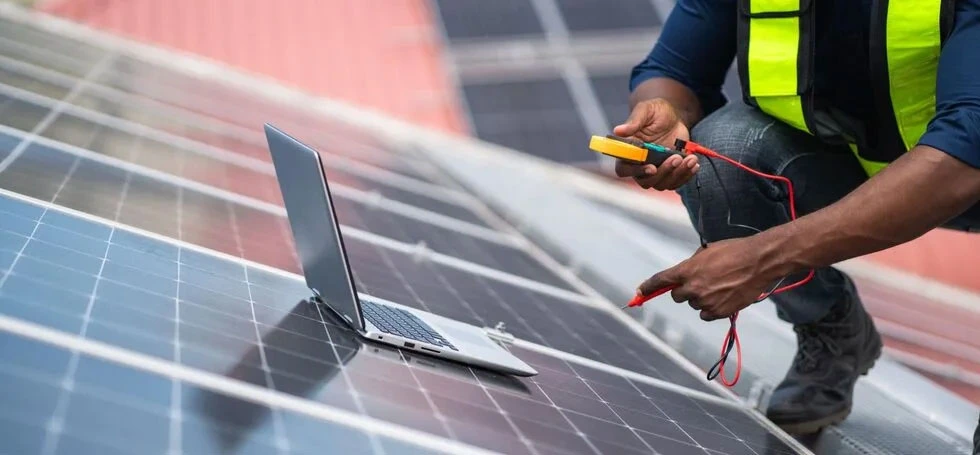
Digital monitoring can provide visibility into system performance and help operators identify abnormalities more quickly.
The Role of Smart Inverters
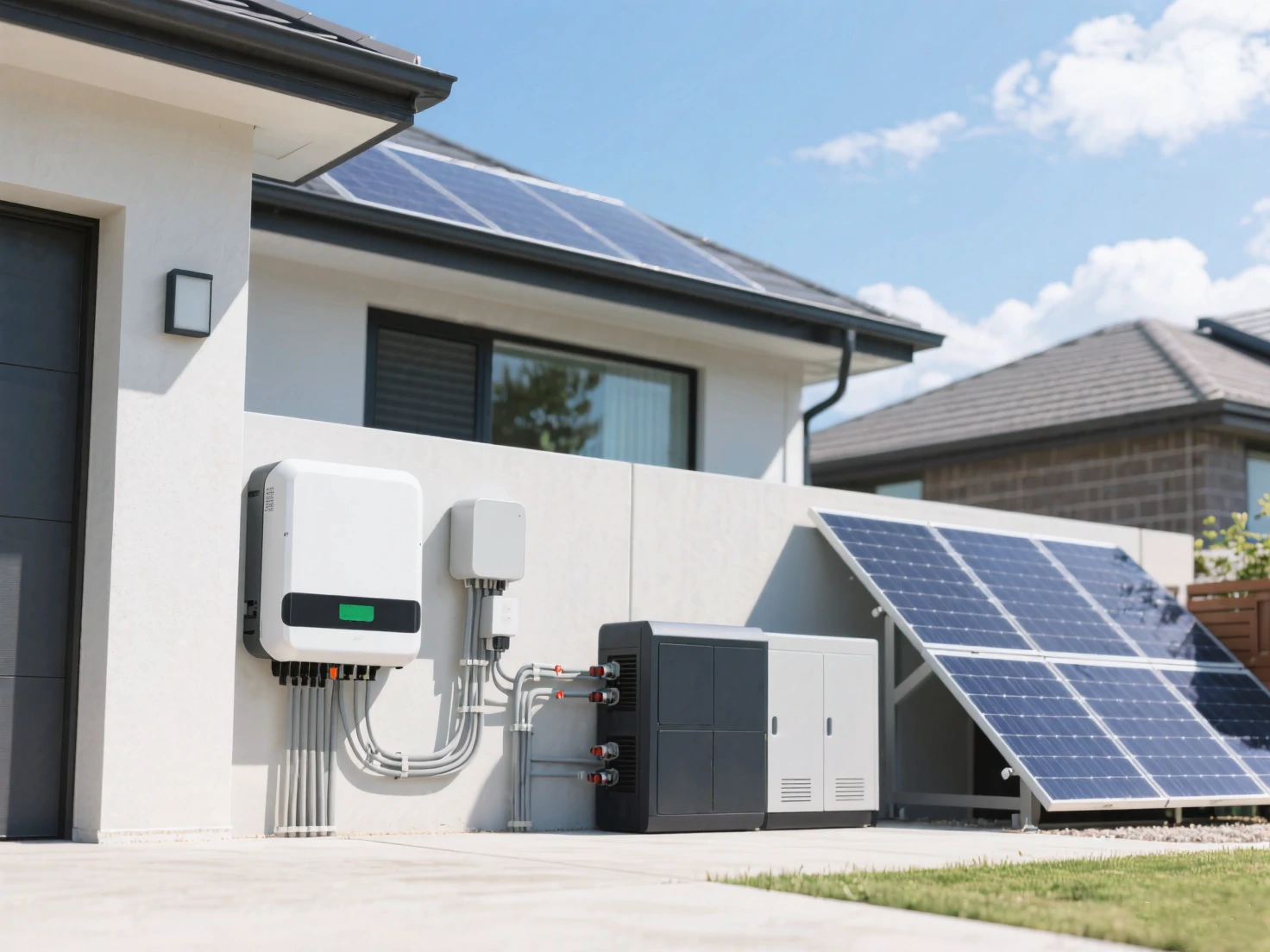
Modern inverters can do much more than convert DC electricity into AC electricity.
Depending on the equipment and configuration, advanced inverter systems can support:
- Real-time monitoring
- Performance tracking
- Grid interaction
- Fault detection
- Remote diagnostics
- Energy management
- Integration with storage
This makes the inverter increasingly important to the overall intelligence of a solar installation.
Solar + Smart Metering
India’s electricity infrastructure is becoming increasingly digitized, with smart-meter deployment enabling more detailed information about electricity consumption.
This creates an opportunity to understand not only:
How much electricity is being consumed?
but also:
When is it being consumed?
That distinction becomes important when designing systems involving solar, batteries and time-based electricity tariffs.
The Importance of Energy Data
Consider a commercial facility that consumes:
1,000 units of electricity per day.
Knowing that number alone isn’t enough.
A solar designer would also want to understand:
- How much is consumed during daylight?
- When does peak demand occur?
- What happens after sunset?
- Which loads are critical?
- How much solar generation is being exported?
- Could storage shift energy to another period?
Energy data turns solar design from a simple capacity calculation into an energy optimization exercise.
AI and Predictive Solar Maintenance
Artificial intelligence is also beginning to influence the renewable-energy sector.
AI-assisted systems can potentially analyse large amounts of operational data to identify unusual performance patterns.
For example, an intelligent monitoring platform could help flag:
- Unexpected generation drops
- Equipment abnormalities
- Repeated faults
- Performance deviations
- Maintenance requirements
The goal isn’t to replace engineering expertise.
It is to give engineers and operators better information to make faster decisions.
Solar + Storage + Energy Management
The real transformation happens when these technologies work together.
Imagine a system with:
Solar PV → Smart Inverter → Battery Storage → Energy Management System → Grid
Instead of simply producing electricity, the system can be designed to manage energy according to defined operational requirements.
This becomes especially relevant as India’s renewable-energy capacity expands and grid integration becomes a larger consideration. The government has identified energy storage as an important requirement for integrating variable renewable energy.
What Businesses Should Look for
When evaluating a modern solar project, businesses should consider more than module capacity.
Ask about:
- Monitoring capabilities
- Inverter technology
- System visibility
- Remote diagnostics
- Energy data
- Storage compatibility
- Scalability
- Maintenance strategy
- Performance reporting
The Future of Solar Is Intelligent
The solar industry is moving from:
Panels → Power
toward:
Generation → Monitoring → Storage → Optimization → Energy Management
This shift can help businesses gain greater visibility and control over their energy infrastructure.
Conclusion
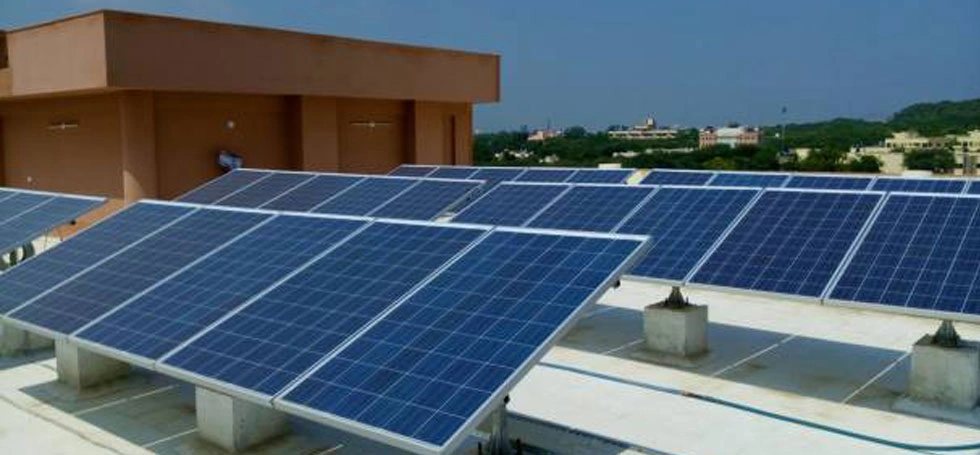
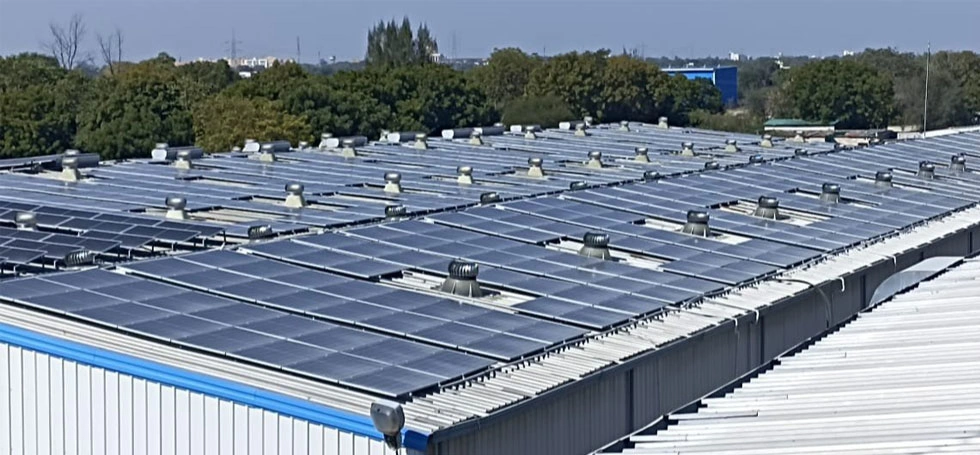
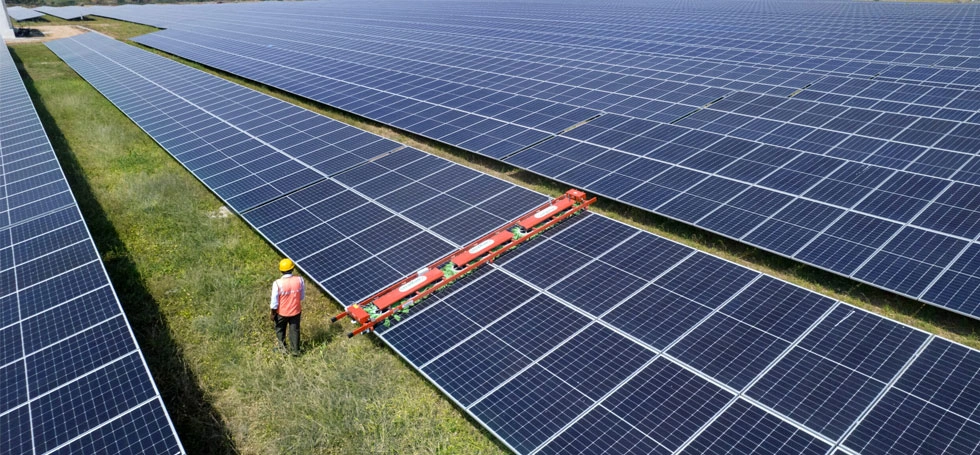
Solar energy is no longer simply about putting panels on a roof or installing a ground-mounted plant.
The next generation of projects will increasingly combine solar generation, digital monitoring, smart inverters, energy storage and intelligent energy management.
For businesses investing in solar today, designing with the future in mind can be just as important as selecting the right system capacity.
Solox Energies combines solar engineering, EPC expertise and modern energy solutions to help businesses build reliable and future-ready renewable energy systems.