




Introduction: The Next Chapter of Solar Energy
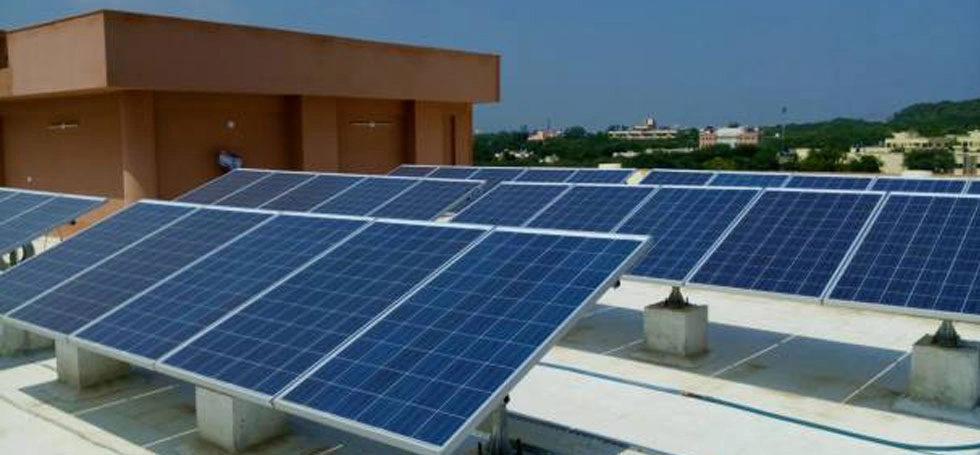
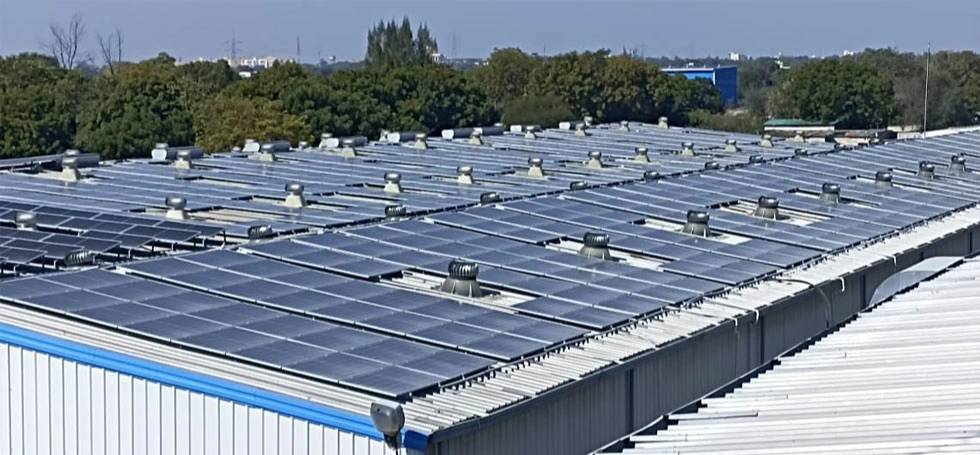
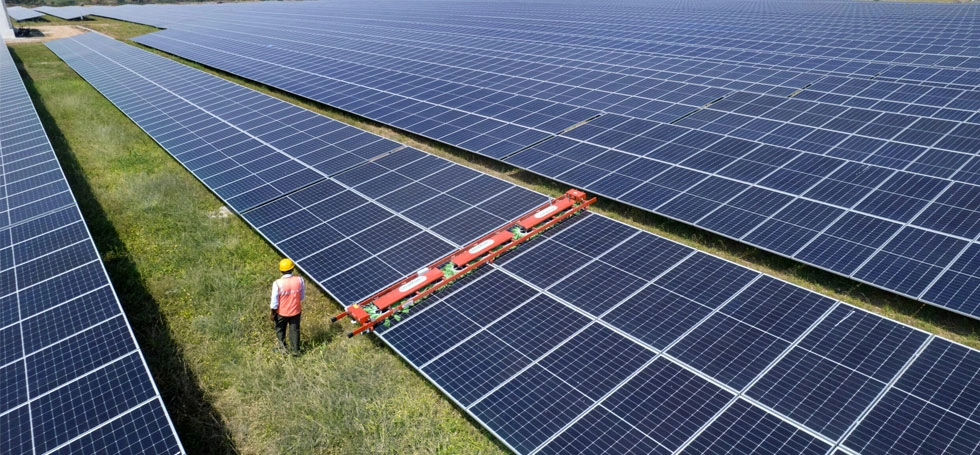
Solar energy is widely recognised for helping reduce dependence on conventional electricity sources and supporting a cleaner energy future. Across India, homes, factories, commercial buildings, and large solar plants are increasingly adopting photovoltaic systems.
But an important question deserves more attention: What happens to solar panels when they reach the end of their useful life?
Solar installations are designed for long-term operation. Over time, however, panels may degrade, become damaged, or need replacement as systems are upgraded. Inverters and other components may also require replacement during a system’s operating life.
As India’s solar capacity expands, responsible end-of-life management is becoming an important part of the industry’s sustainability conversation.
Why Is Solar Panel Recycling Becoming Important in India?
According to information published by India’s Ministry of New and Renewable Energy, an estimate supported by the Council on Energy, Environment and Water suggests that cumulative waste from existing and projected solar installations could reach around 600 kilotonnes by 2030.
If damaged or retired panels are handled improperly, valuable materials may be lost and waste-management risks can increase. Responsible recycling can help recover useful materials, reduce unnecessary disposal, and support a more circular clean-energy economy.
The goal is simple: solar should remain sustainable throughout its lifecycle, not just while generating electricity.
What Materials Can Be Recovered from Solar Panels?
The exact materials depend on the panel technology and construction. Conventional crystalline-silicon panels generally contain several potentially recoverable materials, including:
Glass: A major component by weight that may be recovered through suitable processing.
Aluminium: Commonly used in panel frames and often recyclable.
Silicon: Can potentially be recovered through specialised processes.
Copper and other metals: Present in electrical connections and other components.
Recovering these materials requires suitable processes and facilities. Not every component can be recovered economically or at the same purity, so recycling outcomes depend on the technology and condition of the equipment.
How Are Old Solar Panels Managed?
Responsible end-of-life management can involve several stages.
1. Inspection and assessment
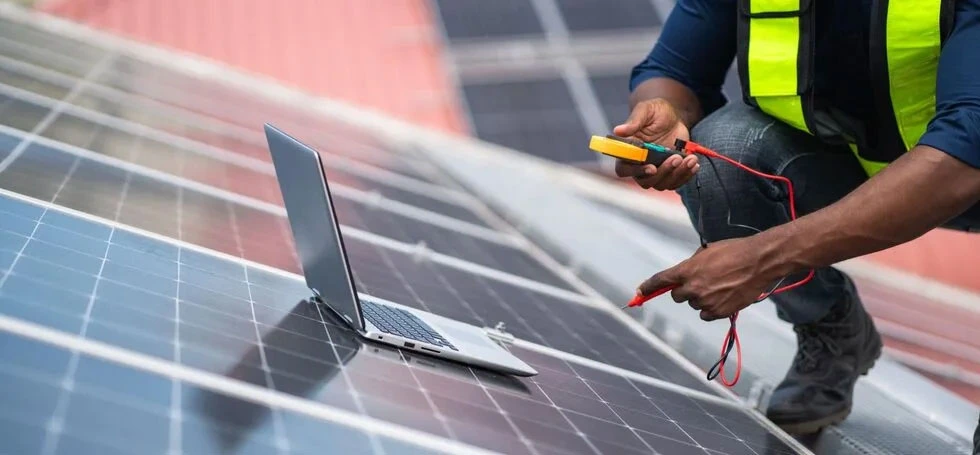
The panel or equipment is assessed to determine whether it can continue operating, be repaired, or should be retired.
2. Reuse where appropriate
Equipment that remains safe and functional may have a second-life application, subject to suitable testing and performance assessment.
3. Safe collection and transportation
Retired panels should be handled and transported carefully to avoid breakage and unnecessary exposure to potentially hazardous materials.
4. Recycling through appropriate channels
Suitable facilities can separate and process materials for recovery. Using authorised, traceable channels helps support responsible waste management.
5. Documentation and traceability
Keeping records of equipment retirement, transfer, and recycling can help businesses manage their environmental responsibilities and demonstrate responsible practices.
India’s solar end-of-life guidance published in 2026 highlights good practices for decommissioning, handling, storage, transportation, reuse, and recycling.
What Is India Doing to Support Solar Recycling?
India has taken steps to strengthen recycling and circular-economy practices. The government’s March 2026 announcement noted that solar photovoltaic panels are covered under the E-Waste (Management) Rules, 2022. It also highlighted initiatives supporting recycling research, second-life applications, circular design, and domestic recovery capabilities.
As these capabilities develop, manufacturers, EPC companies, asset owners, and recycling businesses will have an important role in building more responsible solar lifecycle practices.
The specific obligations for a business depend on its role and the applicable rules, so organisations should review the relevant regulatory requirements rather than assume the same responsibilities apply to everyone.
What Can Solar Owners and Businesses Do Today?
Even when a solar system is new, it is worth planning for its entire operating life.
Maintain records of panels, inverters, warranties, and installation details.
Monitor system performance and investigate recurring faults.
Assess repair or reuse options before retiring equipment.
Avoid disposing of retired panels through informal or unsuitable waste channels.
Ask your solar service provider about responsible end-of-life handling options.
For commercial and industrial facilities, including lifecycle management in energy planning can help support environmental reporting and more responsible asset management.
Conclusion: A Sustainable Future Goes Beyond Solar Generation
Solar power helps move India towards cleaner energy, but the industry’s long-term success also depends on how equipment is maintained, replaced, reused, and recycled.
As solar installations grow, end-of-life planning can become an important part of responsible project development. By considering the full lifecycle of solar assets, businesses can contribute to a cleaner and more resource-efficient energy ecosystem.
At Solox Energies, we believe sustainability should be considered at every stage of the energy journey—from system design and installation to long-term performance and responsible asset management.
CLEAN | SUSTAINABLE | FUTURE
Planning a solar project? Connect with Solox Energies to explore solar solutions designed around your property’s energy needs.