


India’s energy landscape is changing faster than ever.
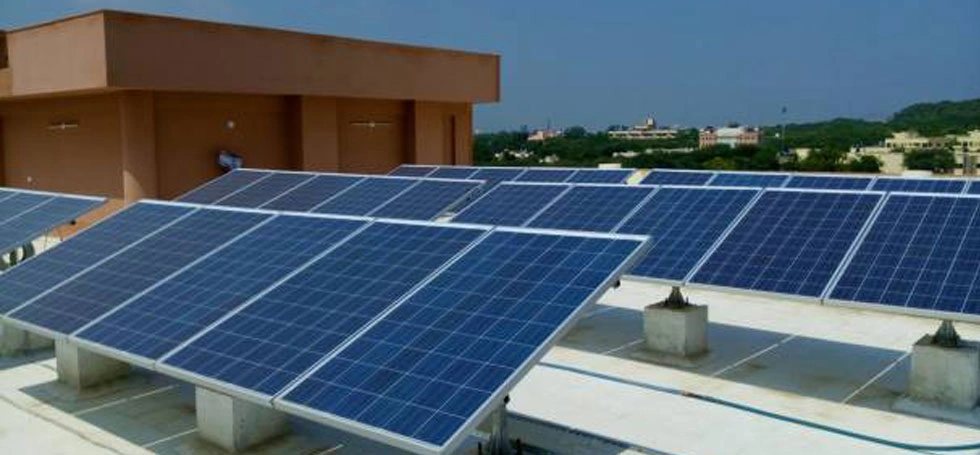
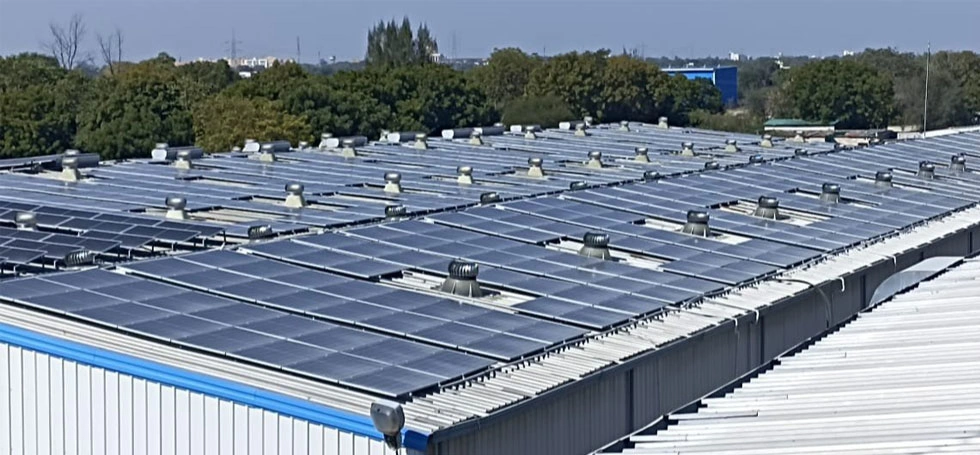
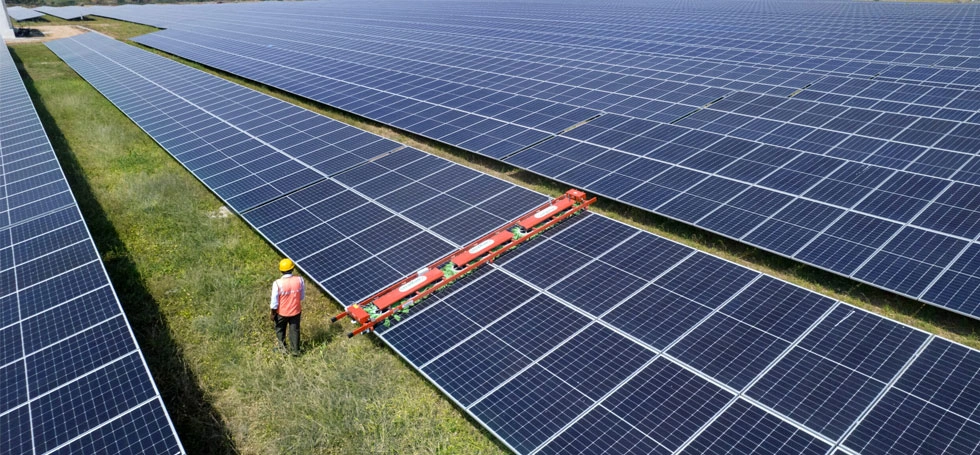
Solar power has moved from being an alternative source of electricity to becoming one of the country’s most important energy technologies. With rapid growth in rooftop, commercial, industrial and utility-scale projects, solar is increasingly becoming part of the mainstream power strategy for businesses and consumers.
But there is a new question emerging:
What happens when the sun goes down?
This is where the next phase of India’s solar journey begins — Solar + Battery Energy Storage Systems (BESS).
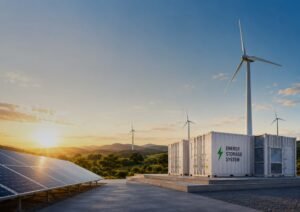
Solar Power Storage – Solox Energies
India’s Solar Market Is Entering a New Phase
India’s solar deployment has accelerated significantly in 2026. The country added around 34 GW of solar capacity during the first half of 2026, putting India on track for a record year of solar installations.
Rooftop solar is also seeing strong momentum. India added approximately 2.7 GW of rooftop solar in Q1 2026, with residential installations accounting for the majority of additions.
For businesses, however, the opportunity goes beyond simply installing solar panels.
The real objective is increasingly:
Generate more renewable energy → use it intelligently → reduce dependence on expensive grid power → store excess energy → use it when it delivers the most value.
The Problem With Solar Only Systems
Solar generation follows the sun.
Electricity consumption doesn’t.
A commercial facility may have its highest electricity demand in the morning, evening or during specific peak-demand periods. Solar generation, meanwhile, is strongest during daylight hours.
This creates a mismatch between when electricity is generated and when it is consumed.
For businesses with high electricity costs, that mismatch can reduce the financial value of solar.
Battery storage changes the equation.
Instead of immediately exporting or wasting excess solar generation, businesses can store energy and use it when electricity is more expensive or when solar generation is unavailable.
Solar + BESS: The Next Big Opportunity
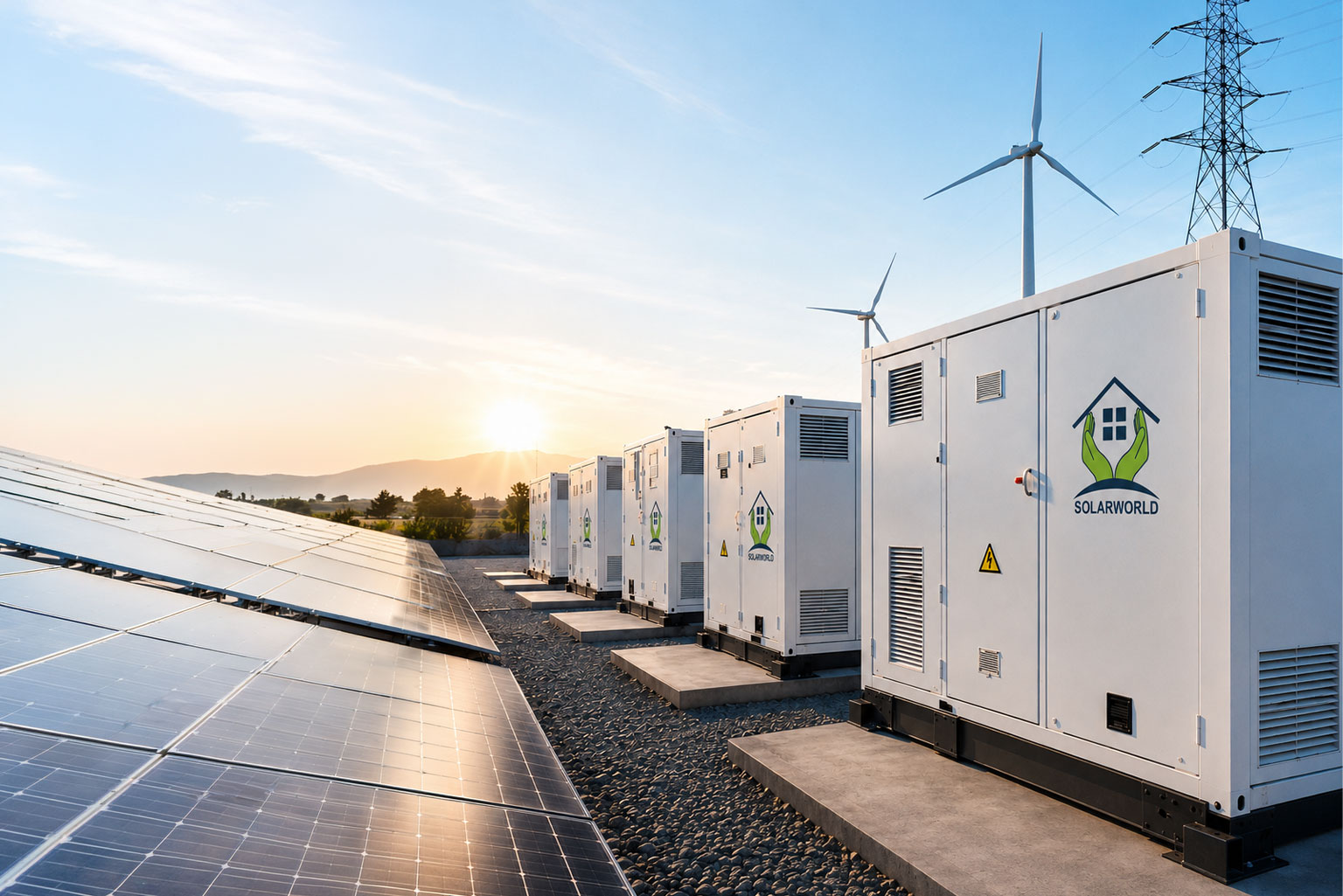
Battery Energy Storage Systems allow electricity generated from solar to be stored and dispatched when required.
A typical integrated system can work like this:
Daytime
☀️ Solar generates electricity
↓
🏭 Business consumes what it needs
↓
🔋 Excess generation charges the battery
Peak / Evening
🔋 Battery supplies stored electricity
↓
⚡ Reduced dependence on grid power
↓
💰 Better control over energy costs
This makes solar more than a generation asset.
It becomes part of an energy management strategy.
Why Businesses Are Looking at Battery Storage
1. Peak Demand Management
Businesses can use stored energy during high-demand periods, helping manage peak electricity requirements.
2. Better Solar Utilisation
Instead of limiting the value of excess daytime generation, storage allows renewable electricity to be shifted to another time.
3. Reduced Diesel Generator Dependence
Battery systems can reduce reliance on diesel generators for certain backup and energy-management applications, depending on the site’s requirements.
4. Greater Energy Flexibility
Businesses gain more control over when they generate, store and consume electricity.
5. Supporting Renewable Integration
As solar penetration increases, energy storage becomes increasingly important for balancing generation and demand.
Industry discussions are already moving toward larger battery systems and system-level optimisation rather than focusing only on solar generation capacity.
What This Means for Commercial & Industrial Customers
For C&I consumers, the question is no longer simply:
“How many kW of solar can I install?”
The better question is:
“How can I optimise my entire energy consumption?”
That requires looking at:
- Electricity consumption patterns
- Peak demand
- Solar generation potential
- Tariff structure
- Load profile
- Available rooftop/ground area
- Battery storage requirements
- Backup requirements
- Future energy demand
A properly engineered combination of Solar + BESS + intelligent energy management can therefore deliver a more flexible energy infrastructure.
Solar + Storage Is Also Relevant to EV Infrastructure
The growth of electric vehicles is creating another opportunity.
EV charging stations can require significant power, particularly when multiple vehicles charge simultaneously.
Combining:
Solar + Battery Storage + EV Charging
can help businesses manage charging demand while increasing the use of renewable electricity.
This creates an integrated clean-energy ecosystem:
Solar Generation → Battery Storage → EV Charging → Smarter Energy Consumption
For commercial facilities, fleets, logistics operators and future EV charging infrastructure, this combination could become increasingly important.
India’s Energy Future Is Becoming More Flexible
India’s installed clean-energy capacity has now reached a major milestone, with clean sources accounting for more than half of installed power capacity. However, solar generation is inherently variable, while electricity demand continues beyond daylight hours. This makes grid infrastructure, energy storage and flexible power systems increasingly important.
The next stage of India’s energy transition therefore won’t be about solar alone.
It will be about how effectively we can generate, store and use clean energy.
What Should Businesses Do Now?
Businesses considering solar should look beyond the initial installation cost.
A good energy strategy should evaluate:
Solar potential + Load profile + Tariffs + Storage + Future demand
before deciding the right system architecture.
For some businesses, solar alone may be sufficient.
For others, Solar + BESS may provide substantially greater flexibility.
And for businesses planning EV infrastructure, adding EV charging can create an even more integrated energy ecosystem.
The Future Is Not Just Solar. It Is Smarter Energy.
India’s solar market is entering a period of rapid expansion. At the same time, battery storage, EV charging and intelligent energy management are becoming increasingly important parts of the clean-energy ecosystem.
The opportunity for businesses is therefore much bigger than simply installing solar panels.
It is about building an energy system that can:
Generate. Store. Optimise. Charge.
And ultimately:
Use Clean Energy When It Matters Most.
About Solox Energies
Solox Energies provides end-to-end clean-energy solutions across Solar EPC, Rooftop Solar, Commercial & Industrial Solar, Ground-Mount Solar and EV Charging Infrastructure, helping businesses transition toward smarter and more sustainable energy solutions.
Solar Today. Smarter Energy Tomorrow.